
What is Viltnemnda?
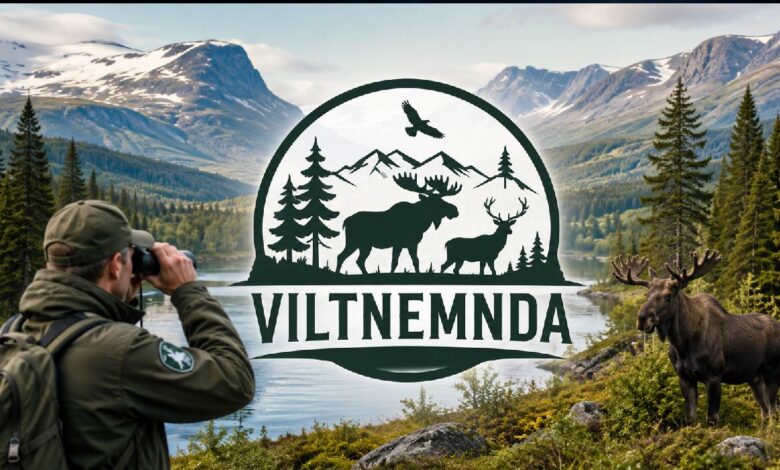
Viltnemnda is a local wildlife management committee in Norway that is responsible for overseeing and protecting wildlife within a specific municipality. It works as a bridge between national wildlife laws and local community needs, ensuring that wildlife management is practical and effective. The main goal of Viltnemnda is to create a balance between human activities and wildlife conservation so that both can exist without causing harm to each other.
As a municipal-level authority, Viltnemnda focuses on managing animal populations, regulating hunting, and solving problems related to wildlife damage. It operates under national laws but adapts its decisions based on local conditions, which makes it more flexible and useful. In rural areas, where farming and wildlife often interact, Viltnemnda plays a very important role in protecting crops and livestock. In urban areas, it helps reduce risks such as animal-related road accidents and habitat loss.
Viltnemnda also has the authority to set hunting quotas, monitor animal populations, and provide guidance to local residents. It works closely with hunters, landowners, and government officials to ensure that wildlife is managed responsibly. By combining local knowledge with scientific data, Viltnemnda helps maintain ecological balance while supporting human livelihoods.
Introduction
Norway is known for its beautiful forests, mountains, and wildlife, where animals and nature exist in a delicate balance. From large animals like moose and deer to smaller species that support the ecosystem, every part of nature plays an important role. However, this balance is not automatic. Human activities such as farming, road building, and urban development can disturb wildlife habitats. This is why wildlife management has become very important in modern times, as it helps protect animals while also supporting human needs. Without proper management, conflicts between people and animals can increase, and ecosystems can slowly lose their stability.
This is where Viltnemnda comes into the picture as a key authority in Norway. Viltnemnda is responsible for managing wildlife at the local level, making sure that both humans and animals can live safely in the same environment. It works closely with communities to regulate hunting, control animal populations, and reduce damage caused by wildlife. Viltnemnda also helps protect biodiversity by ensuring that no species becomes too dominant or endangered. Its role is not limited to rules and regulations, but also includes education and awareness among people.
Today, Viltnemnda plays a central role in conservation, hunting regulation, and conflict resolution. It ensures that wildlife is treated responsibly and sustainably, while also supporting farmers, landowners, and local communities. As environmental challenges continue to grow, the importance of Viltnemnda becomes even stronger in maintaining Norway’s natural heritage.
History and Evolution of Viltnemnda
Wildlife management in Norway has a long history that began with simple hunting practices used by local communities for survival. In earlier times, people relied on nature for food and resources, and hunting was not strictly regulated. However, as populations grew and human activities expanded, wildlife began to face pressure from overhunting and habitat loss. This created the need for a more organized system to protect animals and maintain balance in nature.
In the 20th century, Norway introduced structured wildlife management systems, which led to the formation of Viltnemnda. These committees were created to manage hunting activities and ensure that animal populations remained stable. Over time, the role of Viltnemnda expanded beyond hunting control. It began to focus on broader environmental issues such as biodiversity, conservation, and human-wildlife conflict.
Today, Viltnemnda has evolved into a modern wildlife management body that uses scientific data, technology, and community involvement to make decisions. Its responsibilities now include protecting ecosystems, educating the public, and adapting to environmental changes. This evolution shows how wildlife management has shifted from simple control to a more comprehensive approach that supports both nature and society.
Legal Framework Behind Viltnemnda
Viltnemnda operates under a strong legal framework that guides its actions and responsibilities. One of the most important laws is the Nature Diversity Act, which focuses on protecting biodiversity and ecosystems. This law ensures that all wildlife management decisions are made in a way that supports long-term environmental sustainability. It also defines the responsibilities of authorities, including Viltnemnda, in conserving species and habitats.
Another key law is the Wildlife Act, also known as Viltloven. This law specifically deals with hunting and wildlife population control. It sets rules for hunting seasons, quotas, and ethical practices to ensure that animals are not overexploited. Viltnemnda uses this law to regulate hunting activities and maintain a healthy balance between different species.
Government authorities play an important role in supporting Viltnemnda. While national agencies create policies and laws, local committees like Viltnemnda implement them at the ground level. This cooperation ensures that wildlife management is both consistent and adaptable. By working together, different levels of government help create a system that protects nature while also meeting community needs.
Structure and Composition of Viltnemnda
Viltnemnda is made up of a group of individuals who bring different types of knowledge and experience to wildlife management. Members often include wildlife experts, hunters, landowners, and local government representatives. This mix of people ensures that decisions are balanced and consider both scientific information and practical realities. The diversity of members helps Viltnemnda understand the needs of the environment as well as the concerns of local communities.
The committee is usually led by a chairperson who guides discussions and decision-making processes. Meetings are held regularly where members review wildlife data, discuss local issues, and plan management strategies. Decisions are made through collaboration, which means that different opinions are considered before reaching a conclusion. This approach helps create fair and effective solutions.
Community representation is an important part of Viltnemnda’s structure. Local residents, especially those who interact with wildlife regularly, have valuable insights that can improve decision-making. By including community voices, Viltnemnda builds trust and ensures that its policies are realistic and accepted by the public.
Core Responsibilities of Viltnemnda
Viltnemnda has several important responsibilities that support both wildlife and human communities. One of its main tasks is wildlife population management, where it monitors animal numbers and ensures that they remain at healthy levels. This helps prevent overpopulation, which can lead to environmental damage and increased conflicts with humans. It also regulates hunting by setting quotas and ensuring that hunting is done ethically and responsibly.
Another key responsibility is managing conflicts between humans and wildlife. Animals can sometimes damage crops, harm livestock, or cause accidents on roads. Viltnemnda works to reduce these issues by providing solutions and support to affected people. It also handles injured and dead animals, ensuring that they are treated humanely and safely.
Public awareness and education are also part of Viltnemnda’s role. The committee organizes programs to teach people about wildlife conservation and responsible behavior. By increasing awareness, it helps create a culture of respect for nature. Overall, Viltnemnda plays a vital role in protecting biodiversity while supporting sustainable human activities.
Wildlife Population Management
Managing wildlife populations is one of the most important roles of Viltnemnda. The committee carefully monitors species such as moose, deer, and other animals to understand their population trends. This information is collected through surveys, tracking, and research, which helps in making accurate decisions. If animal populations grow too large, they can damage vegetation and disrupt ecosystems. On the other hand, if populations decline, it can affect biodiversity and ecological balance.
Viltnemnda uses scientific data to maintain this balance. It sets limits on hunting and takes steps to protect certain species when needed. By doing so, it ensures that no species becomes too dominant or endangered. This approach helps maintain a stable ecosystem where all living organisms can thrive together.
The impact of wildlife population management is significant. Healthy populations support forests, reduce environmental damage, and improve biodiversity. It also reduces conflicts between animals and humans. Through careful planning and monitoring, Viltnemnda helps create a balanced and sustainable natural environment.
Conclusion
Viltnemnda plays a central role in protecting Norway’s wildlife and maintaining ecological balance. From regulating hunting to managing conflicts and promoting conservation, its responsibilities are wide and important. It connects local communities with national environmental goals, ensuring that wildlife management is both practical and sustainable. By combining scientific knowledge with community involvement, Viltnemnda creates effective solutions that benefit both people and nature.
As environmental challenges continue to grow, the importance of Viltnemnda becomes even greater. Climate change, habitat loss, and human expansion all require careful planning and action. Viltnemnda is well-positioned to handle these challenges through innovation, technology, and cooperation. Its work ensures that wildlife remains protected while allowing communities to thrive.
In the future, Viltnemnda will continue to play a key role in conservation and sustainable development. Its efforts will help preserve Norway’s natural beauty and biodiversity for future generations. By maintaining a strong balance between humans and wildlife, Viltnemnda stands as an important example of responsible environmental management.
For More Information Visit Techmagazinely